
Choosing the right ecommerce platform is a critical decision for any business aiming to succeed online. With the ecommerce landscape evolving rapidly in 2025, there are numerous platforms available, each tailored to different needs, budgets, and technical abilities. Whether you’re a small business owner, a growing brand, or a large enterprise, understanding the strengths and pricing of these platforms can help you make an informed choice.
This comprehensive guide explores 15 of the best ecommerce platforms available today, highlighting their key features, pricing structures, and the types of businesses they best serve.
Top Ecommerce Platforms for Every Business Size
Here are the best eCommerce platforms for businesses to start their online store on:
1. Shopify: The All-Rounder for Scalability
Shopify remains a dominant player in ecommerce, known for its user-friendly interface and robust ecosystem. It offers secure hosting, automatic updates, and 24/7 customer support, which makes it a reliable choice for businesses of all sizes. With over 8,000 third-party apps, Shopify can be customized extensively to fit various business needs.

Pricing starts at $29 per month, with enterprise-level solutions scaling up to $2,300 per month. This pricing flexibility allows startups and large corporations alike to find a suitable plan. Shopify’s integrated payment processing and point-of-sale system make it especially appealing for businesses looking to unify their online and offline sales.
Ideal for businesses seeking a comprehensive and scalable ecommerce solution, Shopify is perfect whether you’re launching your first online store or expanding an established brand. Additionally, Shopify provides a variety of themes that cater to different industries, allowing businesses to create a unique brand identity. The platform also supports various sales channels, including social media and marketplaces, enabling merchants to reach a wider audience. For more details, visit Shopify’s review on TechRadar.
2. WooCommerce: Best for WordPress Users Who Want Full Control
WooCommerce is a free WordPress plugin that transforms any WordPress site into a fully functional online store. Its biggest advantage is the level of customization it offers, thanks to its extensive plugin ecosystem and SEO-friendly architecture.
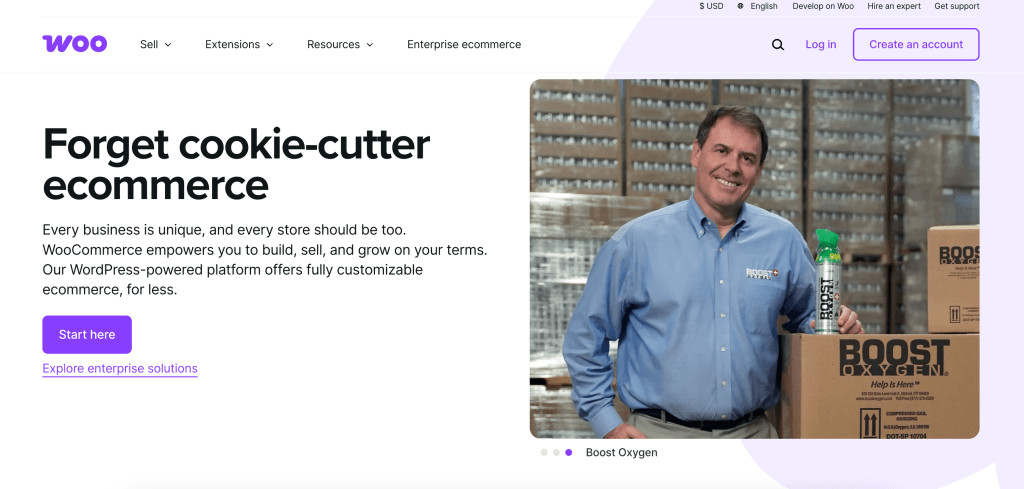
While the plugin itself is free, users should budget for hosting, premium themes, and additional plugins to enhance functionality. This makes WooCommerce a cost-effective option for those already familiar with WordPress and comfortable managing some technical aspects.
It’s an excellent choice for existing WordPress users who want complete control over their online store’s design and functionality. The flexibility of WooCommerce allows users to tailor their ecommerce experience, from payment gateways to shipping options, ensuring that they can meet specific customer needs.
Moreover, the active community surrounding WooCommerce provides a wealth of resources, tutorials, and forums for troubleshooting and enhancements. Learn more about WooCommerce’s capabilities at The Brandsmen’s 2025 ecommerce guide.
3. BigCommerce: Robust Features Without Transaction Fees
BigCommerce offers an impressive set of built-in features such as no transaction fees, unlimited products, advanced SEO tools, and multi-channel selling capabilities. This makes it a strong contender for growing businesses that want to avoid reliance on third-party apps.
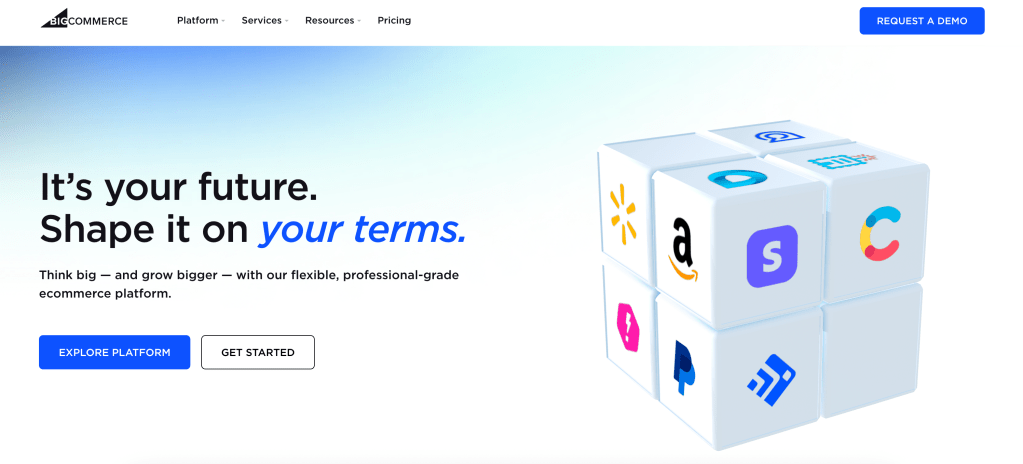
Pricing starts at $39 per month, which is competitive given the extensive features included out of the box. BigCommerce’s focus on scalability and SEO optimization helps businesses increase visibility and sales efficiently.
Additionally, BigCommerce supports various payment gateways and offers tools for abandoned cart recovery, which can significantly enhance conversion rates. Its robust analytics dashboard allows business owners to track performance metrics and make data-driven decisions.
For businesses aiming to grow without worrying about transaction fees or complex integrations, BigCommerce is a solid choice. More information can be found at All About Shopping’s platform comparison.
4. Wix eCommerce: Ideal for Small Businesses and Beginners
Wix eCommerce stands out with its intuitive drag-and-drop builder and AI-powered design assistance, making it easy for beginners to create attractive online stores without coding knowledge. Integrated marketing tools help small businesses promote their products effectively.

Plans start at $27 per month, offering a good balance between affordability and functionality. Wix is particularly well-suited for small businesses and entrepreneurs who want design flexibility combined with straightforward ecommerce features.
Moreover, Wix offers a variety of templates tailored for different industries, ensuring that users can find a design that resonates with their brand. The platform also includes features like social media integration and email marketing tools, allowing businesses to engage with their customers more effectively. Discover more about Wix’s user-friendly approach at Tom’s Guide website builders review.
5. Magento (Adobe Commerce): The Enterprise Powerhouse
Magento, now part of Adobe Commerce, is designed for large enterprises requiring extensive customization and advanced features. It supports complex product catalogs and offers AI-powered analytics to optimize sales and customer experience.

The Open Source version is free, but enterprise Commerce plans can range from $22,000 to $125,000 annually, reflecting its suitability for businesses with substantial budgets and technical resources.
Magento is ideal for companies that need a highly scalable and customizable platform with powerful analytics. Its extensive API support allows for seamless integration with various third-party services, enhancing the overall functionality of the ecommerce store. Additionally, Magento’s community edition has a vibrant ecosystem of developers and users who contribute to its continuous improvement. For a deeper dive, visit Shopping Cart Migration’s top ecommerce platforms.
Platforms Focused on Design and Ease of Use
If you’re looking to get started quickly, here are some platforms to consider:
6. Squarespace: Sleek Designs for Creatives
Squarespace is renowned for its visually stunning templates and strong ecommerce tools. AI layout suggestions help users create polished websites with minimal effort, making it a favorite among creatives and design-focused businesses.

Starting at $16 per month, Squarespace offers an affordable entry point for those prioritizing aesthetics alongside ecommerce functionality.
It’s perfect for artists, photographers, and small brands that want a beautiful online presence without sacrificing ecommerce capabilities. Check out the comparison at TechRadar’s Squarespace vs Hostinger.
7. Hostinger: Budget-Friendly with AI Tools
Hostinger provides affordable pricing starting as low as $2.99 per month, combined with AI-powered tools that assist in quick website creation. Its value-for-money proposition makes it attractive for budget-conscious users and small businesses.

The platform balances cost and features effectively, offering a straightforward way to get an online store up and running without a large upfront investment.
Hostinger is ideal for startups and small businesses looking for a fast, AI-assisted website builder on a budget. More details are available at TechRadar’s best website builders.
8. Weebly: Simple and Accessible Ecommerce
Weebly offers a free plan with ecommerce capabilities, making it accessible for users just starting out. Its simple design tools and solid built-in features provide a no-fuss way to launch an online store.
Paid plans start at $6 per month, which is highly affordable for small businesses and hobbyists.
Weebly is best for those who want a straightforward, budget-friendly platform with essential ecommerce features.
9. GoDaddy: Streamlined for Small Business Owners
GoDaddy combines an intuitive platform with enhanced AI tools through its Airo system, streamlining site creation and marketing processes. Plans start at $9.99 per month, making it an affordable option for small business owners.

The platform is designed to simplify the complexities of ecommerce, allowing entrepreneurs to focus on their products and customers.
GoDaddy is well-suited for small businesses seeking simplicity and affordability without sacrificing essential ecommerce functions.
Specialized Platforms for Adding Ecommerce or Multi-Channel Selling
If you intend to sell across multiple channels, here are some platforms that you can consider:
10. Ecwid: Ecommerce Integration for Existing Websites
Ecwid stands out by allowing businesses to add ecommerce functionality to their existing websites seamlessly. It supports over 70 payment processing options and offers an intuitive online store builder.
Plans start at $5 per month, with a free tier available that includes limited features. This makes Ecwid a cost-effective way to expand an existing online presence with ecommerce capabilities.

It’s an excellent choice for businesses that want to maintain their current website but add a robust online store. For more, visit Forbes Advisor’s ecommerce platform guide.
Summary of Other Popular Platforms
Some platforms appear multiple times due to their popularity and broad appeal. For example, Shopify, WooCommerce, BigCommerce, and Wix eCommerce are frequently highlighted for their balance of features, pricing, and user-friendliness.
Each platform has nuances that make it better suited for specific business models:
- Shopify is the go-to for scalability and comprehensive support.
- WooCommerce offers unmatched customization for WordPress users.
- BigCommerce excels at built-in features with no transaction fees.
- Wix eCommerce is perfect for beginners wanting design flexibility.
How to Choose the Right Ecommerce Platform for Your Business
When selecting an ecommerce platform, consider the following factors carefully:
1. Business Size and Growth Plans
Small businesses and startups may prioritize ease of use and cost-effectiveness, while larger enterprises might need advanced customization and scalability. Platforms like Shopify and BigCommerce offer plans that grow with your business, whereas Magento suits large-scale operations with complex needs.
2. Technical Expertise
If you have limited technical skills, platforms with drag-and-drop builders and AI assistance like Wix or Squarespace can simplify website creation. Conversely, WooCommerce and Magento require more hands-on technical management but provide greater control.
3. Budget
Budget constraints influence your choice significantly. Free or low-cost options like WooCommerce (excluding hosting) and Weebly’s free plan are attractive for those starting out. Enterprise platforms like Magento involve substantial investment but offer powerful features.
4. Features and Integrations
Consider the features essential for your business—multi-channel selling, SEO tools, payment gateways, and marketing integrations. Platforms like BigCommerce and Shopify have extensive ecosystems, while Ecwid is ideal for integrating ecommerce into existing sites.
5. Design and User Experience
For brands where aesthetics matter, Squarespace and Wix offer beautiful templates and design flexibility. A visually appealing store can significantly enhance customer engagement and sales.
Conclusion
In 2025, the ecommerce platform market offers diverse options tailored to different business needs. From the scalable and feature-rich Shopify and BigCommerce to the customizable WooCommerce and design-focused Squarespace, there is a platform for every type of seller.
Careful evaluation of your business size, technical skills, budget, and desired features will guide you to the best choice. Leveraging the right platform can streamline your online store’s launch and growth, helping you reach customers effectively and efficiently.
Now that you’ve explored the top ecommerce platforms of 2025, take the next step in growing your online store with eCommerce Paper. Dive into our extensive resources for the latest trends, strategies, and tools that will help you boost your sales and expand your business. Read More at eCommerce Paper and turn your ecommerce goals into reality.
 eCommerce Paper
Leave a comment